

If losing weight feels harder than it used to, it’s not just in your head. Modern life is built around constant access to food, endless convenience, and subtle nudges to keep eating. From oversized portions to snacks engineered to hit every pleasure center, we live in a world that quietly encourages fullness at all times. Weight loss today isn’t just about willpower—it’s about navigating an environment that wasn’t designed with restraint in mind.
Hunger Isn’t the Enemy Anymore
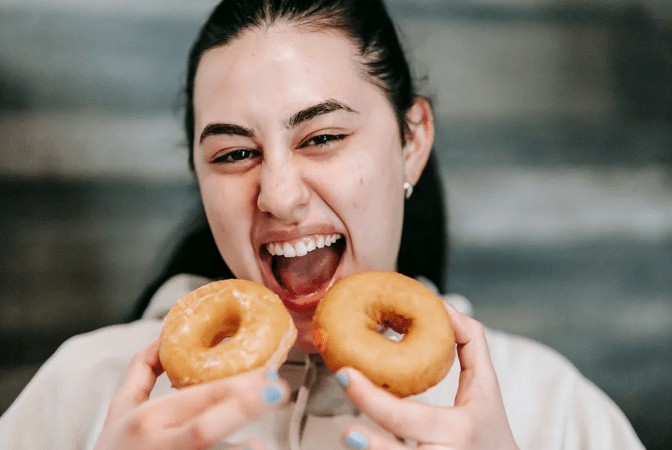
Not long ago, hunger was a normal part of daily life. Now, it’s something many people rarely experience. Food delivery apps, protein bars, and meal replacements make it easy to eat before hunger ever shows up. Programs and supplements like Burn Slim often enter the conversation because people are searching for ways to work with their bodies rather than constantly fighting cravings. The challenge isn’t starvation—it’s learning to recognize real hunger in a culture that treats any empty feeling as a problem to fix.
Processed Food Changed the Rules
Food today isn’t just food. It’s engineered. Many modern products are designed to be hyper-palatable, meaning they’re optimized for taste, texture, and immediate satisfaction. These foods don’t just fill you up; they make you want more, often long after your body has had enough. Weight loss becomes complicated when fullness doesn’t automatically signal stopping. The body’s natural cues get overridden by chemistry and convenience.
Convenience Is a Double-Edged Sword
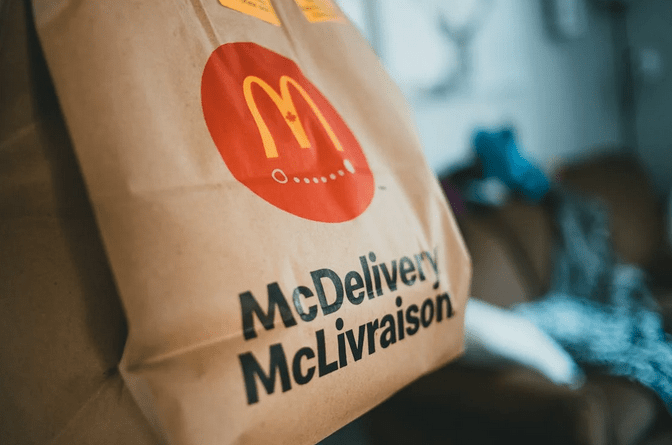
We’ve never had more convenience, and that’s both a blessing and a challenge. Drive-thrus, microwavable meals, and same-day grocery delivery save time, but they also remove friction. When eating requires almost no effort, it becomes easier to eat more often than needed. Weight loss in this environment isn’t about eliminating convenience—it’s about becoming intentional within it. Small choices, repeated consistently, matter more than extreme overhauls.
Eating Is Social, Emotional, and Everywhere
Food is no longer just fuel; it’s entertainment, comfort, and connection. Celebrations revolve around meals, stress is soothed with snacks, and boredom often leads straight to the pantry. Social media doesn’t help, constantly showcasing indulgent foods as rewards or self-care. Weight loss means untangling physical hunger from emotional eating, which is far more complex than counting calories.
Your Body Is Still on Your Side
Despite the noise, your body hasn’t changed its basic goals. It still wants balance, energy, and health. What’s changed is the environment around it. When weight loss efforts focus on working with natural rhythms—sleep, movement, stress management, and realistic nutrition—the process becomes less combative. Sustainable progress comes from consistency, not punishment.
Progress Looks Different Now
In a world designed to keep you full, progress isn’t always dramatic. It might look like fewer cravings, better energy, or more awareness around eating habits. Weight loss today is often slower, more nuanced, and more personal than it used to be. And that’s okay. The goal isn’t perfection; it’s adaptability.
Weight loss doesn’t happen in a vacuum, and modern life adds layers of complexity our bodies weren’t built for. Constant access to food, engineered cravings, and emotional eating cues make the journey more challenging—but not impossible. With awareness, patience, and realistic strategies, it’s still possible to make progress in a world that encourages fullness at every turn. The key is learning how to live well within the environment you’re in, rather than fighting it every step of the way.