Posted on

Tried Everything But Nothing Changed? The Healthy Weight Loss Tips That Actually Hold

If your jeans still feel tight after weeks of “being good,” you’re not lazy. You’re probably stuck in the most common trap: doing a lot, but doing the wrong mix. Start with a simple reset and a single plan you can repeat. If you want background details on a supplement approach some people pair with healthy habits, the Alpilean official website has the core info in one place. Now, let’s talk about what moves the needle in real life.

Stop Chasing Perfect and Fix the Hidden Leaks

Most plans fail in the boring hours. A “healthy” lunch gets undone by random bites, sweet drinks, and late-night nibbling. Those calories are sneaky, like coins falling out of your pocket all day. Track for three days, just to spot patterns. Also, check your weekends. Many people eat clean Monday to Friday, then Saturday hits like a food festival.

Build Meals That Keep You Full, Not Sad
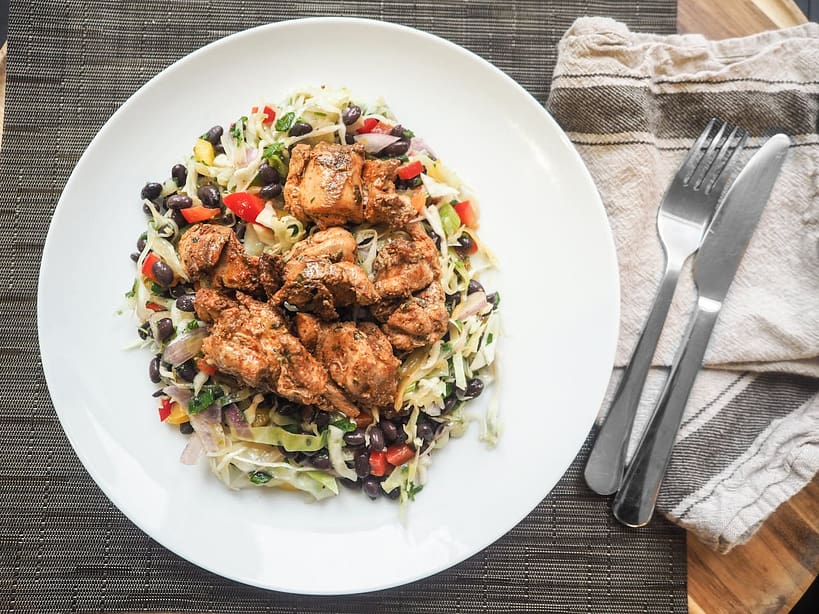
plate

If you’re hungry all the time, your plan is broken. Start each meal with protein, then add fiber. Chicken, eggs, tofu, fish, Greek yogurt, beans; pick your team. Add vegetables, fruit, or whole grains so your stomach doesn’t file a complaint an hour later. A little fat helps too, like avocado, olive oil, or nuts.

Move in a Way Your Body Will Repeat

Exercise should not feel like punishment for eating. That mindset makes people quit. Choose movement that fits your day like shoes that don’t pinch. Walking is underrated and works well for many people. Add short strength sessions a few times a week to support muscle and metabolism. Keep it small and steady. Ten minutes after meals can stack up fast. If you hate workouts, do “movement snacks” like squats while brushing teeth or stair laps during breaks. Sounds odd, but it works. Your body doesn’t care about gym aesthetics.

Sleep and Stress Are Your Silent Saboteurs

Poor sleep can crank up hunger and cravings. You end up chasing sugar like it’s your job. Aim for a steady sleep window most nights. Keep your room cool and dark if possible. Put your phone away when your eyes feel gritty. Stress matters too. When stress stays high, you may snack for comfort without noticing. Build a small reset habit: a five-minute walk, slow breathing, or a quick shower. Call it your “brain rinse.” It won’t fix life, but it can stop the pantry raid. Small calm beats big vows.

Make Progress Measurable and Realistic
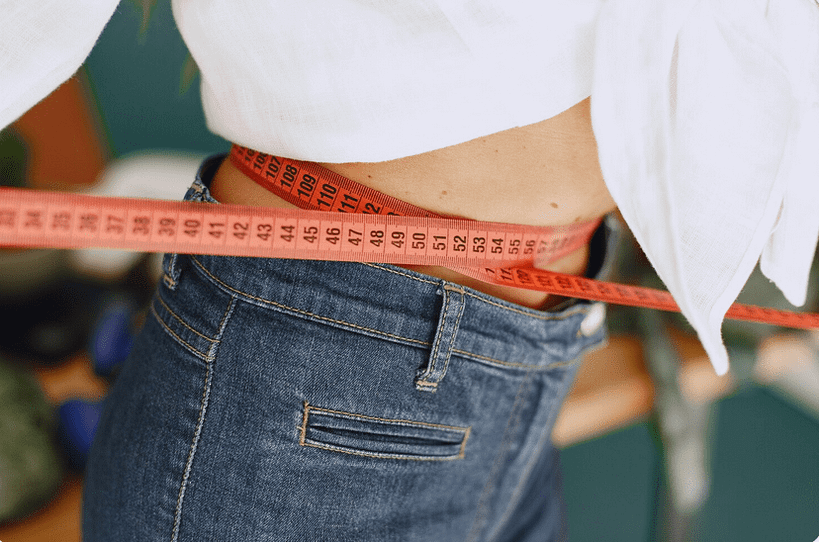
measuring

Daily scale swings can mess with your head. Water weight jumps around like a toddler on a couch. Weigh weekly, same day, same time. Track one more marker, like waist measurement or how a shirt fits. That gives you a clearer picture. Set a realistic pace. Healthy fat loss is usually not dramatic. Focus on the routine, not the rush.

Use Supplements as Support, Not a Shortcut

Some people use supplements alongside nutrition, movement, and sleep habits. That can feel helpful, especially if it reduces friction in the routine. Still, supplements don’t cancel out frequent takeout, sugary drinks, or tiny daily “cheats.” Think of them as a helper, not the driver. Safety comes first. If you have a medical condition, are pregnant or breastfeeding, or take regular medication, talk with a healthcare professional before adding anything new. Watch how you feel, especially in the first week. If something feels off, stop. Your health deserves more than “push through,” even with the utmost motivation.…

Posted on

Weight Loss in a World Designed to Keep You Full

If losing weight feels harder than it used to, it’s not just in your head. Modern life is built around constant access to food, endless convenience, and subtle nudges to keep eating. From oversized portions to snacks engineered to hit every pleasure center, we live in a world that quietly encourages fullness at all times. Weight loss today isn’t just about willpower—it’s about navigating an environment that wasn’t designed with restraint in mind.

Hunger Isn’t the Enemy Anymore

hungry woman

Not long ago, hunger was a normal part of daily life. Now, it’s something many people rarely experience. Food delivery apps, protein bars, and meal replacements make it easy to eat before hunger ever shows up. Programs and supplements like Burn Slim often enter the conversation because people are searching for ways to work with their bodies rather than constantly fighting cravings. The challenge isn’t starvation—it’s learning to recognize real hunger in a culture that treats any empty feeling as a problem to fix.

Processed Food Changed the Rules

Food today isn’t just food. It’s engineered. Many modern products are designed to be hyper-palatable, meaning they’re optimized for taste, texture, and immediate satisfaction. These foods don’t just fill you up; they make you want more, often long after your body has had enough. Weight loss becomes complicated when fullness doesn’t automatically signal stopping. The body’s natural cues get overridden by chemistry and convenience.

Convenience Is a Double-Edged Sword

food delivery

We’ve never had more convenience, and that’s both a blessing and a challenge. Drive-thrus, microwavable meals, and same-day grocery delivery save time, but they also remove friction. When eating requires almost no effort, it becomes easier to eat more often than needed. Weight loss in this environment isn’t about eliminating convenience—it’s about becoming intentional within it. Small choices, repeated consistently, matter more than extreme overhauls.

Eating Is Social, Emotional, and Everywhere

Food is no longer just fuel; it’s entertainment, comfort, and connection. Celebrations revolve around meals, stress is soothed with snacks, and boredom often leads straight to the pantry. Social media doesn’t help, constantly showcasing indulgent foods as rewards or self-care. Weight loss means untangling physical hunger from emotional eating, which is far more complex than counting calories.

Your Body Is Still on Your Side

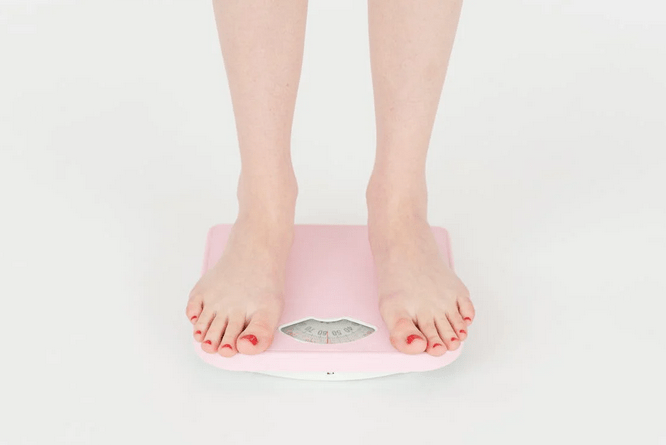
body scale

Despite the noise, your body hasn’t changed its basic goals. It still wants balance, energy, and health. What’s changed is the environment around it. When weight loss efforts focus on working with natural rhythms—sleep, movement, stress management, and realistic nutrition—the process becomes less combative. Sustainable progress comes from consistency, not punishment.

Progress Looks Different Now

In a world designed to keep you full, progress isn’t always dramatic. It might look like fewer cravings, better energy, or more awareness around eating habits. Weight loss today is often slower, more nuanced, and more personal than it used to be. And that’s okay. The goal isn’t perfection; it’s adaptability.

Weight loss doesn’t happen in a vacuum, and modern life adds layers of complexity our bodies weren’t built for. Constant access to food, engineered cravings, and emotional eating cues make the journey more challenging—but not impossible. With awareness, patience, and realistic strategies, it’s still possible to make progress in a world that encourages fullness at every turn. The key is learning how to live well within the environment you’re in, rather than fighting it every step of the way.…